





8 tips for creating marketing strategies for architecture firms


It’s been a tough couple of years for businesses across sectors – and architectural practices are no exception. As life in the UK returns to relative normal, you may be looking to the future and wondering how to give your practice the edge.
Maybe you’re hoping to attract fresh business or break into new markets?
Whatever your objectives, we’d suggest you start by taking a planned approach to your marketing.
If you haven’t refreshed your architecture marketing strategy for a while – or you haven’t got one at all – here are eight core elements you should think about including.

Begin with a bit of thinking. You need to define your business and be clear on what is unique about you.
This may have changed over lockdown, so consider what your practice will look like in the future.
It’s a good idea to hone your business narrative down to an elevator pitch – a short, snappy and compelling description of who you are and what you are about that can be delivered in less than a minute.
Before you can begin writing your architecture marketing strategy, you need to be clear about your audience, so you can create the right messages for the right people.
Think about where you want to be working, whether that’s large and corporate or small and domestic and create buyer personas for the typical customers you want to attract.
TIP:Subscribe to our YouTube channel to ensure you don’t miss any of our Corona-proof video marketing tips.
A great website is the cornerstone of your architecture marketing strategy so make sure yours is up to scratch and properly showcasing you and your work.
Your site needs to look great visually with plenty of high-quality imagery but it also needs to be quick to load and easy to navigate. It should tell your story in an interesting way, but copy needs to be short and concise. You’ll also need clear contact information and a great gallery of previous projects as well as an eye on search engine optimisation.
A section for news and blogs is important too – above all it needs to be up-to-date and well maintained to give the right impression.
A blog is important for driving traffic to your website and getting you noticed on social media. You’ll need a schedule of articles going forward over several months to makes sure you keep posting and don’t run out of steam – nothing looks worse on your site than a blog that’s dwindling uncared for.
Vary your content to include practical advice, opinion pieces and news about current issues, as well as interviews and case studies of projects.
Use written content that’s properly search optimised but don’t ignore other formats such as video or photo galleries.
When it comes to architecture, good visuals are crucial, so make sure you are investing in the best photography you can afford at all stages.
You may be already commissioning great CGI images for project pitches and launches so make sure these are visible on your website and social feeds.
Get professional photography to document past projects too, and use these widely to really demonstrate the quality of your work.
Done properly, social media can be a big asset to your architecture firm’s marketing, allowing you to share examples of your work with the right audiences, gain traction for your blog posts and make an impact.
However, you need to commit to posting and checking your feeds – you’ll give a bad impression to potential clients if your social channels have been neglected for months or even years.
Avoid this by having a forward plan of what you will post, and when. It’s important to understand the benefits of the different platforms and play to their strengths. Instagram, for example is a very visual format, which is great for showing off your best projects. LinkedIn, meanwhile, is perfect for getting you seen by a professional audience. Look beyond the obvious platforms to ones that can work for you.
Having a presence on sites such as Pinterest or Houzz, where people with an interest in improving their homes are actively looking for ideas, can really work.
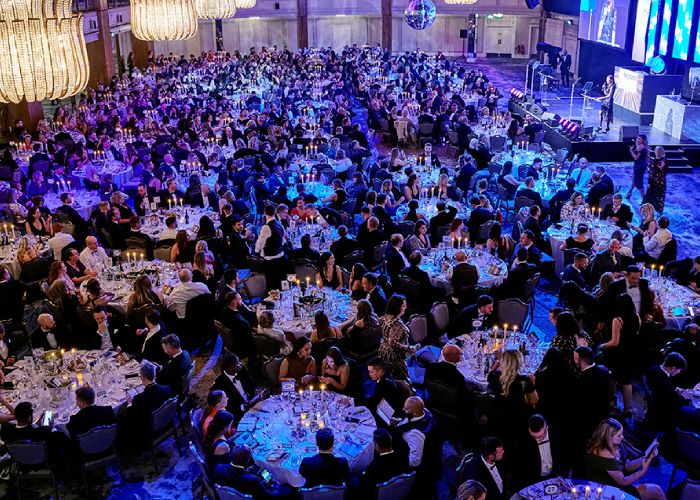
While online marketing will be central to your plans, don’t ignore the power of old-fashioned networking to contribute to your strategy.
As industries move from virtual meetings to face-to-face, now is a good time to research events where you can make contacts and get yourself known. Certainly, look for events aimed at the architectural sector, but target the niche industries, where you’d like to be working, too.
Offer your staff as speakers or panel members to help make your practice visible. Try and use the media by seeking to place your blogs and opinion pieces in trade publications or even on the websites of colleagues in your supply chain.
This will help to position you as industry spokespeople as well as adding credibility to your website.
If this sounds daunting, don’t worry – you don’t have to do it alone. From website design to blog writing, photography to strategic planning, digital marketing experts can help by taking on the tasks they’re skilled and experienced to do, leaving you to design awe-inspiring buildings. If you’d like to find out more about how we could help you with your architecture marketing strategy, please do give us a call today.








"*" indicates required fields